
In a world which praises the hustle, continual motion is expected, busyness is glorified and worth is tied to one’s ability to “push through’ or “go above and beyond”, if I asked you whether you felt stressed or anxious, the answer would likely be “yes”. Trauma, stress and overwhelm keep the body in a constant state of hypervigilance where even everyday experiences can be perceived as threats.
As the year ends stress often increases - Christmas, family expectations, financial stress, challenging dynamics, buys roads, and more! You may notice an increase in heart rate, feelings of agitation, your breath may shorten, or the urge to collapse and hide away. When experiencing stress it can become difficult to regulate and return to calmer states of connection. So what can we do?
Stephen Porges’ Polyvagal theory, explains the intricate interplay between our nervous system and our emotional experiences. Highlighting the role of the Vagus nerve and the autonomic nervous system (ANS) in regulating emotional and social behaviour (Porges & Dana, 2018). The Ventral Vagal Complex (VVC) is associated with social engagement and connection, promoting calm, safety related states, while the Dorsal Vagal Complex (DVC) is linked to immobilisation and defensive behaviours under threat such as a collapse response, and the Sympathetic Nervous System (SNS) promotes mobilisation for threat responses such as escape, flight, or fight (Kolacz et al., 2019).
There are a number of ways we can build nervous system flexibility and increase our capacity to regulate through stress, however mindful of word counts and the time we have in our busy lives to read and digest I will include just a few here.
Mindful Movement
Walking, dancing, yoga, tai chi, swimming, running. Movement that supports connection between the body and the brain. Try integrating some mindfulness into this; what can you see on your walk? What do you notice in your body when you move a certain way? Bring your awareness to the present moment.
From a polyvagal theory perspective, this kind of mindful movement can help regulate the nervous system by supporting a sense of safety and connection, gently shifting the body out of stress responses and into a more balanced, resilient state.
The Physiological Sigh
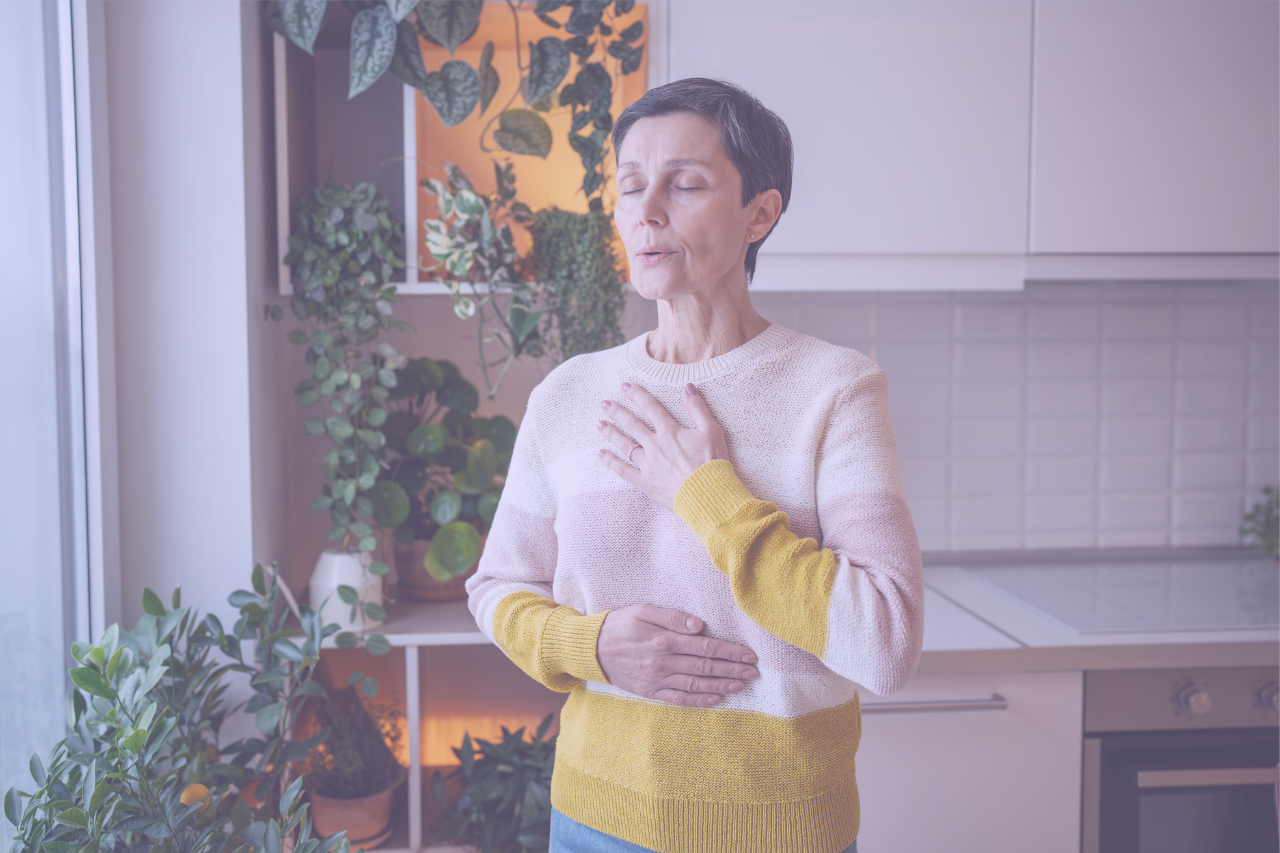
Two to One Breathing – Breathe in through your nose (if possible), pause, then stake a second short inhale. Breathe out, long a slow through your mouth. By intentionally extending the exhalation phase, this technique encourages the activation of the body's relaxation response. It stimulates the parasympathetic nervous system, which counteracts the "fight-or-flight" response and promotes a state of calmness and relaxation.
Humming, Singing, Gargling
These activities stimulate the Vagus nerve, helping to increase vagal tone and activate the parasympathetic nervous system, promoting a sense of calm and safety.
Social Connection
Social connection can help calm the nervous system through co-regulation. Being around people or animals who feel safe and supportive can help promote a physiological shift toward safety and regulation.
Within polyvagal theory, this co-regulation is understood as a core pathway to nervous system stability, where cues of safety from others help activate the ventral vagal system, supporting connection, calm and resilience.
Now, here’s the kicker, there are many tools and techniques when it comes to regulating our nervous system and there is by no means a “one size fits all” approach. We are beautifully unique and what works for one may not feel to fit for another. The techniques above are not exhaustive, and you may find booking in for a session to discuss your personal response and what may work for you is more ideal!
Further I encourage you to practice when you are not in an “activated state”. Like going to the gym and building muscle, practice to build ANS flexibility is key and picking up a technique in the midst of a stressful situation won’t do you much good if you have not practiced it beforehand.
Wishing you all a Summer of health, calm and connection.
Sophia
References:
Kolacz, J., Kovacic, K. K., & Porges, S. W. (2019). Traumatic stress and the autonomic brain-gut connection in development: Polyvagal theory as an integrative framework for psychosocial and gastrointestinal pathology. Developmental Psychobiology, 61(5), 796-809. https://doi.org/10.1002/dev.21852
Porges, S. W., & Dana, D. (Eds.). (2018). Clinical applications of the polyvagal theory: The emergence of polyvagal-informed therapies. W.W. Norton & Company, Inc.
(Polyvagal Theory - Youtube): https://youtu.be/uH5JQDAqA8E